Glucomannan Fiber for Appetite & Fullness
How Does Glucomannan for Weight Loss Actually Work?
Glucomannan for weight loss works by curbing appetite, not by burning fat. It is a soluble fibre from the konjac root that absorbs water and swells in the stomach, so a meal feels fuller and you eat a little less. The effect is real but supportive, and it only shows up when paired with a calorie deficit.
- Mechanism: absorbs up to 50x its weight in water to expand and slow digestion.
- Dose: around 1 g before meals, up to roughly 3 g a day, always with water.
- Safety rule: never take it dry; too little fluid poses a choking risk.
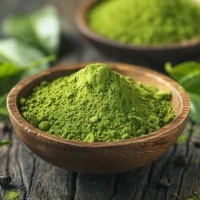
If you have looked into glucomannan for weight loss, you have met one of the few appetite ingredients with a genuinely believable mechanism. Unlike stimulants that promise to torch calories, glucomannan does something you can picture: it soaks up water, expands into a soft gel in your stomach and makes the meal you just ate feel bigger than it was. That is not marketing sleight of hand, it is physics happening in your gut. This guide explains exactly how it works, how much to take, the one safety rule you cannot skip, the side effects worth expecting, and the honest ceiling on what a fibre can do.
It is also the appetite piece inside MounjaMelt, so by the end you will understand precisely what that ingredient is contributing and why it is dosed the way it is.
What glucomannan is and why it expands
Glucomannan is a soluble dietary fibre extracted from the root of the konjac plant, a starchy tuber grown across East Asia and used for centuries in foods like shirataki noodles. Chemically it is a long chain of two sugars, glucose and mannose, bound together in a way your digestive enzymes cannot break down. That indigestibility is the whole point: it passes into the stomach and intestines intact and does its work mechanically rather than being absorbed.
Its defining trait is thirst. Glucomannan can absorb up to fifty times its own weight in water, far more than most fibres, forming a thick, viscous gel. When you take it before a meal with enough fluid, that gel occupies real volume in the stomach. Your stomach's stretch receptors register the fullness and send satiety signals to the brain, and the gel also slows the rate at which the stomach empties into the intestine, so fullness lasts longer after eating. The result is a smaller appetite at the next meal, achieved without a stimulant and without altering your metabolism.
The evidence: real but modest
Glucomannan is one of the better-studied fibres for satiety, and European food-safety authorities have accepted that, in the context of a reduced-calorie diet, it can contribute to weight loss. That is a meaningful endorsement for a supplement ingredient, and it is worth reading carefully, because the qualifier is the important part: in the context of a reduced-calorie diet. The fibre helps you comply with a deficit; it does not create one. The wording of the approved claim itself is worth reading in the EFSA panel opinion on glucomannan and body-weight reduction.
Human trials show the pattern you would expect. When glucomannan is taken before meals with adequate water, alongside a calorie-controlled diet, participants tend to eat somewhat less and lose modestly more weight than those on diet alone. When it is simply added on top of an unchanged diet, the effect largely disappears, because eating slightly less at one meal does nothing if you make up the calories elsewhere. This is the single most useful thing to understand about glucomannan: it is an adherence tool, and adherence is where most diets actually fail. The pooled trials are modest and honest about it: Zalewski et al. The effect of glucomannan on body weight in overweight or obese children and adults: a systematic review of randomized controlled trials. Nutrition, 2015.
Glucomannan does not remove calories from your day. It makes it easier for you to remove them, by turning a smaller portion into a satisfying one.
How much glucomannan to take, and when
The studied approach is straightforward. Most trials use around 1 gram of glucomannan taken roughly fifteen to thirty minutes before each main meal, adding up to about 3 grams across the day. Splitting it before meals is better than taking a single large dose, because the goal is to be present in the stomach at the moments you are about to eat, not to sit there all day.
Start low. For the first week, the lower end of the range is plenty while your gut adjusts, which meaningfully reduces the early gas and bloating that make people quit. Increase only once the previous amount felt comfortable. There is no advantage to rushing to 3 grams, and doing so on day one is the most common self-inflicted reason a fibre gets abandoned. If tolerance is your main concern, our comparison of inulin versus acacia fiber for a sensitive gut covers the same start-low principle across the wider fibre shelf.

The water rule you cannot skip
This is the one non-negotiable, so it gets its own section. Because glucomannan expands so dramatically on contact with fluid, it must reach your stomach before it fully swells. That means always taking it with one or two large glasses of water, and never taking the powder or a capsule dry or with only a sip. Taken with too little fluid, it can begin to expand in the throat or oesophagus, which poses a genuine choking or obstruction risk, the reason regulators require warning labels on glucomannan products.
The rule in practice is simple: a full glass of water with the dose, and ideally another shortly after. Do not take it right before lying down, and do not take it if you have difficulty swallowing or a known narrowing anywhere in the digestive tract without clearing it with a doctor first. Handled correctly, with plenty of water, this risk is entirely avoidable, and hundreds of studies and years of food use attest to that. Handled carelessly, dry, it is the one way this otherwise gentle fibre can genuinely hurt you.
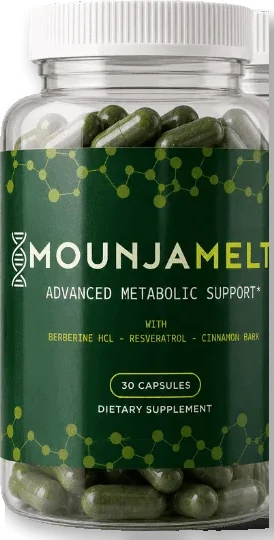
Prefer to work on cravings rather than stomach volume?
MounjaMelt takes the blood-sugar route to appetite rather than the fibre route, using berberine, cinnamon bark and gymnema. See the full formula and pricing on the official store.
See MounjaMelt on the Official StoreSide effects and how to minimise them
For most people the side effects are mild, digestive and temporary. Gas, bloating, softer stools or a feeling of fullness that borders on uncomfortable are the usual early complaints, and they tend to peak in the first week and fade as your gut bacteria and gut motility adapt to the extra fibre. Starting at the low end of the dose range and increasing slowly is the single most effective way to keep these to a minimum.
There is one interaction worth taking seriously beyond the choking risk already covered. Because glucomannan forms a gel and slows gastric emptying, it can blunt or delay the absorption of oral medications taken at the same time. The fix is timing, not avoidance: separate glucomannan from any prescription by one to two hours, and if you take a medicine with a narrow therapeutic window, such as certain diabetes or thyroid drugs, confirm the plan with a pharmacist. If you want the broader picture on tolerability across weight-loss ingredients, our overview of weight-loss supplement side effects and safety puts glucomannan in context with the rest.
Glucomannan at a glance
| Property | Detail |
|---|---|
| Source | Konjac root (soluble fibre) |
| Water absorption | Up to about 50x its weight |
| Studied dose | ~1 g before meals, up to ~3 g/day |
| Main benefit | Appetite control and fullness |
| Key rule | Always with 1–2 large glasses of water |
| Common side effects | Gas, bloating, loose stools early on |
| Medication note | Separate oral drugs by 1–2 hours |
Honest limits: what glucomannan will not do
A fibre that helps you eat less is useful, but it is not magic, and setting the ceiling honestly protects you from disappointment. Glucomannan does not burn fat, does not raise your metabolism, and does not work at all if the smaller portions it encourages are cancelled out by extra calories elsewhere. If you take it and keep eating in a surplus, nothing happens, and that is not a product failure, it is arithmetic.
It also does not replace food or a balanced diet. A single isolated fibre feeds a narrower slice of your gut bacteria than the mix of fibres in whole plants, and it brings none of the vitamins, minerals or polyphenols that come with vegetables, fruit and whole grains. Think of it as a targeted tool for the specific problem of portion control, not a nutrition strategy. And like every appetite lever, it works best combined with others rather than alone, which is exactly why formulas pair it with metabolic ingredients. If cravings rather than portion size are your real struggle, our guide to a natural appetite suppressant that actually works looks at the complementary levers.
Does MounjaMelt contain glucomannan? No — it takes a different route
MounjaMelt does not contain glucomannan, and it is worth being straight about that on a page devoted to the fibre. Its seven named ingredients are berberine HCl, cinnamon bark extract, resveratrol, gymnema sylvestre, chromium, L-carnitine and green tea extract. That is a blood-sugar-and-cravings formula rather than a bulking-fibre one: instead of filling the stomach mechanically, it aims at the glucose swings that drive the craving in the first place. Both are legitimate routes to eating less, and they are not mutually exclusive — a fibre and a metabolic capsule can be taken together, provided you keep them a couple of hours apart. The interaction and handling cautions are listed in the NIH Office of Dietary Supplements entry on glucomannan.
Practically, the handling rules in this article are specific to glucomannan and still apply if you buy it separately: a large glass of water with every dose, consistency over dose-stacking, and a couple of hours' gap from any prescription. For the metabolic route instead, our piece on whether MounjaMelt really works walks through the realistic results and the fair-trial timeline, and is candid that its per-capsule amounts were never published.
Medical note: this article is general information, not medical advice. Dietary supplements are not intended to diagnose, treat, cure or prevent any disease. Always take glucomannan with plenty of water, never dry, and speak to a healthcare professional before starting it if you have any difficulty swallowing, a digestive condition, or take prescription medication.
Frequently asked questions
Does glucomannan really help with weight loss?
Glucomannan can help modestly by curbing appetite, not by burning fat. It is a soluble fibre that absorbs water and expands in the stomach, so a meal feels more filling and you tend to eat less. The effect is real but supportive, and it only translates into weight loss when it is paired with a calorie deficit rather than eaten on top of your usual intake.
How much glucomannan should you take per day?
Studies typically use around 1 gram taken shortly before each meal, up to roughly 3 grams a day. It is best split across the day rather than taken all at once, and always with one or two large glasses of water. Start at the lower end for the first week to let your gut adjust and reduce early gas or bloating.
Why must glucomannan be taken with water?
Glucomannan absorbs up to fifty times its weight in water, so it needs plenty of fluid to expand safely in the stomach where it is meant to work. Taken with too little water, it can swell in the throat or oesophagus and pose a choking or obstruction risk. Always take it with one or two large glasses of water and never dry.
Are there side effects to glucomannan fiber?
The common side effects are mild and digestive: gas, bloating, soft stools or loose bowels, usually worst in the first week and easing as your gut adapts. Because it is so absorbent, glucomannan can also blunt the absorption of oral medications, so separate any prescription by one to two hours. Taken dry or with too little water it carries a genuine choking risk.
Scientific references
- NIH Office of Dietary Supplements — Dietary supplements for weight loss
- EFSA — Scientific opinion on glucomannan and body-weight reduction
- Harvard T.H. Chan School of Public Health — Fiber
- Mayo Clinic — Dietary fiber: essential for a healthy diet
- U.S. FDA — Questions and answers on dietary supplements
Related reading
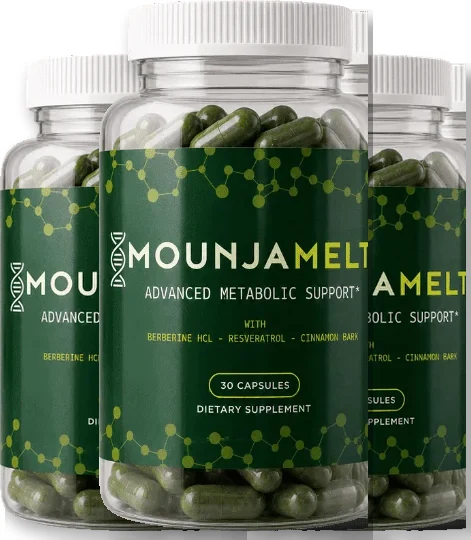
Put glucomannan to work alongside berberine and green tea
See how MounjaMelt combines the fibre with metabolic support in one daily capsule, with current pricing on the official store.
Check MounjaMelt Pricing