Natural Appetite Suppressants That Actually Work
Quick Answer: Which Natural Appetite Suppressants Actually Work?
The natural appetite suppressants that actually work do it by triggering real fullness, not by masking hunger. Glucomannan fibre swells in the stomach, capsaicin from chilli blunts the hunger hormone ghrelin, and berberine steadies blood sugar so cravings ease. These are three different mechanisms, and no single product carries all of them — MounjaMelt, for instance, works only on the blood-sugar and cravings route. Whichever you choose, the effect builds over weeks rather than overnight.
- Glucomannan absorbs up to 50x its weight in water to promote fullness.
- Cayenne (capsaicin) blunts ghrelin and nudges GLP-1 signalling.
- No stimulant jitters — effects build over weeks, taken with water.
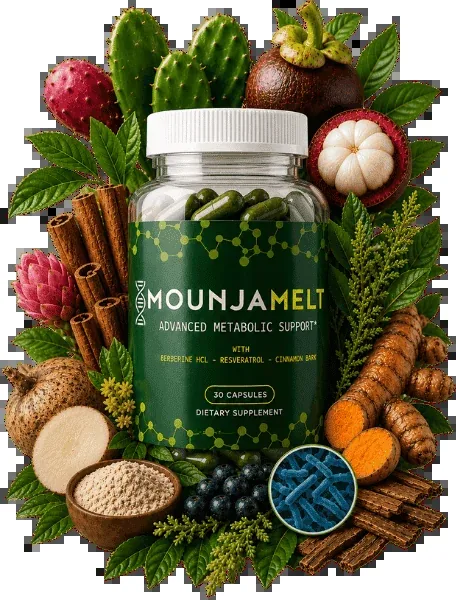
Hunger is the reason most diets quietly collapse. You can hold a calorie deficit for a fortnight on willpower alone, but willpower is a battery, not a mains supply, and it runs flat. That is exactly why so many people search for a natural appetite suppressant: something that turns the volume down on hunger so the sensible plan becomes livable. The good news is that a handful of ingredients really do curb appetite. The catch, which most sales pages skip, is that they work by amplifying your body's own fullness signals rather than by some magic off-switch — and they take a few weeks to hit their stride.
This guide walks through the mechanisms that actually move hunger, which ingredients have human evidence behind them, and how MounjaMelt's fibre-and-botanical stack is put together. We are an affiliate publisher covering MounjaMelt, so weigh our take accordingly — but our aim here is to explain the biology honestly, not to pretend a capsule can rewrite it.
How a natural appetite suppressant actually reduces hunger
Appetite is not a single dial. It is a conversation between your stomach, your gut hormones and your brain, and the ingredients worth taking each join that conversation at a different point. Understanding the three main routes is the fastest way to separate real suppressants from stimulant-driven hype.
Physical fullness (satiety). The oldest and most reliable trick is simply to occupy space in the stomach and slow how fast it empties. Soluble fibre does this. It draws in water, forms a gel, and sends stretch signals that tell the brain you have eaten. This is a mechanical effect, not a chemical one, which is part of why it is so consistent across people. The pooled trial evidence for the best-studied satiety fibre is Zalewski et al. The effect of glucomannan on body weight in overweight or obese children and adults: a systematic review of randomized controlled trials. Nutrition, 2015.
Hunger hormones (ghrelin and GLP-1). Ghrelin is the hormone that says "eat now"; GLP-1 is part of the system that says "you have had enough." Some botanicals nudge this balance gently — blunting ghrelin a little and supporting GLP-1 signalling — which shifts the baseline sense of hunger downward without any stimulant kick. The hormone measurements behind that sentence come from a controlled capsaicin meal study — Smeets and Westerterp-Plantenga. The acute effects of a lunch containing capsaicin on energy and substrate utilisation, hormones and satiety. European Journal of Nutrition, 2009.
Blood-sugar steadiness. Sharp glucose swings drive the crash-and-crave cycle that sabotages an afternoon. Ingredients that support steadier blood sugar reduce those craving spikes, which many people experience as a calmer appetite even though it is not "suppression" in the literal sense.
The natural appetite suppressant ingredients with real evidence
Now to the specifics. These are the actives that keep earning a place, mapped onto the three mechanisms above.
Glucomannan: the satiety heavyweight
If there is a standout, it is glucomannan, a soluble fibre from the konjac root. It absorbs up to fifty times its own weight in water, expanding into a viscous gel that fills the stomach and slows digestion. That is not a marketing figure plucked from the air; it is why the European Food Safety Authority accepted that glucomannan can contribute to weight reduction as part of an energy-restricted diet — a rare regulatory nod for any supplement ingredient. The practical rule is non-negotiable: take it with a large glass of water so it expands where it should. Our deeper look at how glucomannan fibre drives appetite and fullness covers the dosing and timing in more detail.
Cayenne and capsaicin: the hormone nudge
Cayenne pepper contains capsaicin, the compound behind its heat. Beyond a modest thermogenic effect, capsaicin has been studied for blunting ghrelin and gently supporting GLP-1 signalling, which is why it shows up in serious appetite formulas rather than just fat-burners. The effect is real but supporting, not headline — you can read our breakdown of how cayenne and capsaicin drive thermogenesis and appetite control for the full picture.
Berberine: metabolic support, not a pure suppressant
Berberine is often mislabelled as an appetite suppressant, when it is really metabolic support. It activates the AMPK energy-sensing pathway and helps steady blood sugar, which reduces the craving spikes that follow glucose crashes. That earns it a place in the stack, but expectations should be calibrated: as our review of the evidence behind berberine as a natural GLP-1 alternative explains, it is not the "nature's Ozempic" its fans claim. The dose-response meta-analysis of berberine and obesity indices puts the real size of the effect on record: Xiong et al. The effect of berberine supplementation on obesity indices: a dose-response meta-analysis and systematic review of randomized controlled trials. Complementary Therapies in Clinical Practice, 2020.
See the full appetite-support stack and pricing
Glucomannan, cayenne, berberine, green tea and chromium — every dose listed openly, one capsule a day. Check the current bundle price on the official store.
See MounjaMelt PricingWhy stimulant "appetite killers" are the wrong answer
A lot of products branded as appetite suppressants lean hard on stimulants — high-dose caffeine and its cousins — because a jittery, wired body genuinely feels less hungry for a while. The problem is that this is a borrowed effect with a bill attached: the jitters, the disrupted sleep, the afternoon crash, and the rebound hunger when it wears off. Worse, poor sleep raises ghrelin the next day, so a stimulant taken to suppress appetite can quietly increase it twenty-four hours later.
The fibre-and-botanical approach is the opposite trade. It works with your physiology rather than flogging it, which is why a well-built natural formula produces no crash and can be taken every day. It is less dramatic in the first hour and far more sustainable over the eight to twelve weeks that actually matter.
Which of these mechanisms MounjaMelt actually uses
MounjaMelt covers one of the three mechanisms above, not all three, and it is the blood-sugar one. Berberine, cinnamon bark, gymnema sylvestre and chromium all act on glucose handling and sweet cravings, and green tea extract adds a small metabolic lift. There is no bulking fibre in it, so it does nothing mechanical to fill the stomach, and no capsaicin, so it does not touch ghrelin the way chilli does. None of these is a miracle on its own; the honest claim is that several modest effects on one mechanism, taken consistently, can make an appetite somewhat easier to manage.
The honest weakness is dose transparency. The seven ingredients are named on the label, but exact per-capsule milligram amounts were not published on the pages we reviewed, so you cannot check them against the trial doses quoted in this article. Naming amounts in milligrams is the single most useful thing any appetite-suppressant shopper can demand, and it is depressingly rare — treat any product that skips it, this one included, with proportionate caution.
The once-daily format matters more than it looks, too. Appetite management is a habit before it is a chemistry problem, and a formula you have to remember three or four times a day is one you will eventually skip. A single capsule taken with a morning glass of water is easy to anchor to something you already do, which is why consistency — the thing these ingredients actually depend on — tends to survive.
Three honest objections, answered
"It didn't work in the first few days." That is expected. Fibre needs a steady dose for one to three weeks to show its effect on fullness, and the metabolic ingredients build over weeks. Judging a natural appetite suppressant at day three tells you about tolerance, not effect.
"Fibre gives me bloating." Some early gassiness is common and usually settles within a couple of weeks as your gut adjusts. Taking each dose with a full glass of water and not exceeding the label amount makes a large difference.
"If I'm less hungry, can I skip the diet?" No — and this is the honest core of it. A suppressant makes a calorie-aware diet easier to hold; it does not replace it. The appetite help is the lever that makes the plan stick, not a substitute for having a plan.
How to get the most from a natural appetite suppressant
Two people can take the same formula and get very different results, and the difference is usually technique rather than luck. The first rule is water. Glucomannan only expands into its satiety-forming gel if there is plenty of fluid around it, so each dose should go down with a large glass of water. This is not optional advice; it is how the ingredient works, and it is also the simplest way to avoid the early bloating that makes some people quit.
Timing helps too. Taking a fibre-led suppressant fifteen to thirty minutes before a meal gives it time to start filling the stomach, so you arrive at the plate already partway to full rather than ravenous. Pair that with a couple of behaviours the pill cannot do for you: front-load protein and vegetables, eat slowly enough for your fullness signals to register — they run on roughly a twenty-minute delay — and protect your sleep, because a single short night raises the hunger hormone ghrelin the following day and can undo an appetite formula's whole point.
Finally, set the clock correctly in your head. A natural appetite suppressant is a slow-release tool, not a switch. The physical fullness from fibre shows up within days to a couple of weeks at a steady dose, while the metabolic and blood-sugar effects build over several weeks. Judge the formula at week eight, not day three, and judge it on how much easier your eating plan has become to hold — that, rather than a dramatic disappearance of hunger, is what a well-built suppressant is actually for.
Related reading
Medical note: this article is general information, not medical advice. Dietary supplements are not intended to diagnose, treat, cure or prevent any disease. Take glucomannan with plenty of water, and speak to a healthcare professional before starting any supplement, especially if you are pregnant, nursing, managing a health condition or taking prescription medication such as diabetes drugs.
Frequently asked questions
What is the strongest natural appetite suppressant?
There is no single strongest option, but soluble fibre is the best-supported. Glucomannan absorbs up to fifty times its weight in water and expands in the stomach to promote fullness. Cayenne and berberine add smaller effects on hunger signalling. Strength comes from combining them at studied doses and taking them with water.
How do natural appetite suppressants reduce hunger?
They work on the body's real fullness signals rather than by masking hunger. Fibres like glucomannan physically fill the stomach and slow digestion; cayenne blunts the hunger hormone ghrelin and nudges GLP-1 signalling; berberine supports steadier blood sugar so cravings spike less. The effect builds over weeks, not minutes.
Are natural appetite suppressants safe to take daily?
For most healthy adults, yes, when taken at label doses. Fibre and botanical suppressants are generally well tolerated, though fibre can cause early bloating that settles. Always take glucomannan with a large glass of water, and check with a clinician first if you are pregnant, nursing or on medication such as diabetes drugs.
Which appetite-suppressing ingredients are in MounjaMelt?
MounjaMelt works on appetite indirectly, through blood sugar and cravings rather than stomach-filling fibre. Its seven named ingredients are berberine HCl, cinnamon bark extract, resveratrol, gymnema sylvestre, chromium, L-carnitine and green tea extract. It contains no glucomannan and no cayenne. Per-capsule milligram amounts were not published, so they cannot be matched against trial doses.
Scientific references
- EFSA — Scientific Opinion on glucomannan and reduction of body weight
- NIH Office of Dietary Supplements — Dietary Supplements for Weight Loss
- NIH NCCIH — Green Tea: What You Need To Know
- Smeets AJ, Westerterp-Plantenga MS. The acute effects of a lunch containing capsaicin on energy and substrate utilisation, hormones and satiety. Eur J Nutr, 2009
- Zalewski BM et al. The effect of glucomannan on body weight in overweight or obese children and adults: a systematic review of randomized controlled trials. Nutrition, 2015
- FTC — Health Products Compliance Guidance (weight-loss claims)
Want appetite help without the jitters?
See how MounjaMelt approaches cravings with berberine, cinnamon bark and gymnema in one daily capsule — and today's pricing on the official store.
Check MounjaMelt Availability