L-Glutamine vs Collagen for Gut Support: What Differs
Quick Answer: L-Glutamine or Collagen for Gut Support?
L-glutamine and collagen are not interchangeable for gut support. L-glutamine is a single amino acid that intestinal cells use as fuel, and it has the more direct line of research on the gut lining. Collagen peptides are a protein fragment best known for skin and joint uses, so for digestive comfort specifically L-glutamine has the clearer rationale, and either works best as one part of a wider routine.
- More direct gut evidence: L-glutamine, the preferred fuel of the cells lining the small intestine.
- Weaker for this job: collagen peptides, where the digestive claims outrun the trials.
- Key caveat: both are support ingredients, not treatments, and diet still does the heavy lifting.
Gut health supplements L glutamine: what the amino acid actually does
Glutamine is the most abundant free amino acid in human blood, and the body makes its own. It is classed as conditionally essential, meaning your own production usually covers demand, but demand can outrun supply during serious physical stress such as major surgery, burns, prolonged critical illness or heavy sustained training. That "conditional" status is the whole basis of the supplement category. Background on why the gut barrier became a supplement target is set out in the Harvard T.H. Chan School of Public Health microbiome overview.
The gut angle is specific and worth understanding, because it is more concrete than most supplement rationales. Enterocytes, the cells lining the small intestine, are unusual in that they use glutamine as a primary metabolic fuel rather than relying mainly on glucose. They also turn over quickly, replacing themselves every few days, which makes them hungry for raw material. When researchers deprive those cells of glutamine in laboratory models, the barrier between the gut and the bloodstream becomes measurably leakier. Add glutamine back, and barrier measures improve. The mechanism literature is summarised in Wang et al. Glutamine and intestinal barrier function. Amino Acids, 2015.
That mechanism is real. The leap that supplement marketing makes is from "critically ill patients on tube feeding benefit from supplemental glutamine" to "a healthy adult with occasional bloating needs a scoop every morning". Those are different populations with different baseline needs, and the second one has far less research behind it. When you read that a product is one of the best gut health supplements because it contains L glutamine, what you are usually reading is a mechanism described as if it were an outcome.
What collagen peptides are, and why they ended up in the gut aisle
Collagen is the structural protein that makes up a large share of the protein in skin, tendon, bone and connective tissue. Supplemental collagen is hydrolysed, meaning the long strands have been broken into short peptides so they dissolve and absorb more easily. Those peptides are rich in glycine, proline and hydroxyproline, an unusual amino acid signature that does not resemble the protein in a normal mixed diet.
The best-supported uses of collagen peptides are cosmetic and orthopaedic: several controlled trials report modest improvements in skin elasticity and hydration, and a smaller set report reductions in activity-related joint discomfort. Those are the claims with actual human data behind them.
The digestive claim arrived later, and it arrived by inference. The reasoning runs like this: the gut lining contains connective tissue, collagen supplies connective-tissue building blocks, therefore collagen supports the gut lining. Each step sounds plausible and the chain as a whole has not been demonstrated in humans in the way the skin research has. Swallowed collagen is also digested into its component amino acids and small peptides like any other protein; it is not routed to the intestinal wall because that is where you hoped it would go.
There is one honest wrinkle in collagen's favour: it is roughly a third glycine, and glycine has its own small body of digestive research. That is a legitimate reason someone might prefer it, but it is a long way from the confident language on most tubs.
Side by side, without the marketing
| Factor | L-glutamine | Collagen peptides |
|---|---|---|
| What it is | Single amino acid | Hydrolysed protein fragments |
| Typical serving in research | 5 g to 10 g daily in general use; much higher doses only under clinical supervision | 2.5 g to 15 g daily, depending on the outcome studied |
| Usual form | Unflavoured powder or capsule | Powder, occasionally capsules or liquid |
| Evidence for gut barrier | Moderate in clinical populations, thin in healthy adults | Weak and mostly indirect |
| Evidence for its headline use | Clinical nutrition support | Skin elasticity and joint comfort |
| Suits a vegan diet | Yes, usually fermented from plant sugars | No, unless it is a marine or a plant-based imitation blend |
| Taste and mixability | Nearly tasteless, mixes cleanly | Nearly tasteless, can foam |
| Relative cost per month | Lower | Higher, and rises sharply for marine sources |
How strong is the evidence, honestly graded
It helps to separate three different questions that supplement copy tends to blur together: does the mechanism exist, has it been shown to work in people, and has it been shown to work in people like you.
For L-glutamine, the mechanism is well described and the clinical work is real but narrow. Most of the meaningful human trials sit in hospital nutrition, athletes under heavy training loads, and specific gastrointestinal conditions managed by a clinician. Trials in ordinary healthy adults taking a scoop for general digestive comfort are far fewer, smaller and less consistent. So the honest grade is: plausible mechanism, decent clinical evidence in narrow groups, limited evidence for everyday use. A 2024 meta-analysis of glutamine and gut permeability in adults reaches the same cautious conclusion: Abbasi et al. A systematic review and meta-analysis of clinical trials on the effects of glutamine supplementation on gut permeability in adults. Amino Acids, 2024.
For collagen and digestion, the mechanism is a chain of reasonable assumptions, the human evidence for the gut specifically is thin, and the evidence in general healthy adults is thinner still. The honest grade is: unproven for this purpose, well supported for other purposes.
A mechanism is a reason to run a trial, not a substitute for having run one. Most of what gets called clinically proven in this category is a mechanism wearing a lab coat.
None of that makes either ingredient useless. It means you should buy them with calibrated expectations, at doses that match what was actually studied, and with a date in the diary to decide whether they are earning their place.
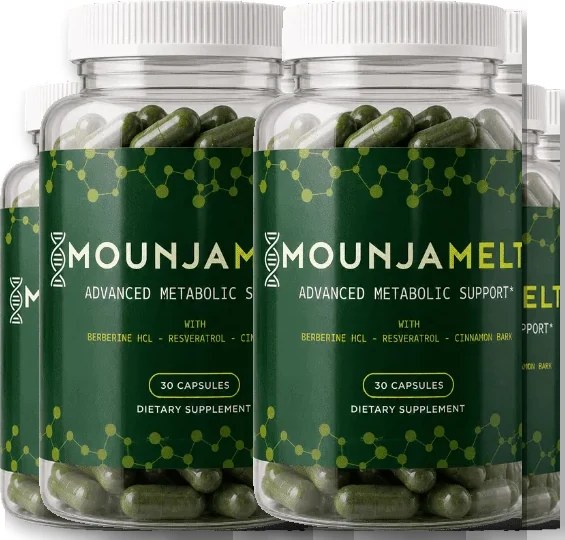
Looking at the wider metabolic support shelf?
If your reason for shopping the gut aisle is really a weight-loss goal, see how a once-daily capsule formula is put together, ingredient by ingredient, with current pricing.
See MounjaMelt PricingDose, form and timing: powder, capsule or neither
Dose is where most of the disappointment in this category is manufactured. A capsule blend that lists L-glutamine on the label may contain a few hundred milligrams, while research servings are measured in grams. Ten times less than a studied dose is not a smaller version of the same effect; it is a label ingredient. If you decide to try glutamine, buy it as a plain powder and measure grams, or check that the capsule count required to reach a real dose is something you would actually swallow every day.
Common practice for general use is 5 g of L-glutamine once daily, sometimes split into two smaller servings, stirred into water. It is nearly tasteless and dissolves without much fuss. Collagen peptides are usually taken at 10 g daily, and because they are close to flavourless they disappear into coffee or a smoothie. Neither needs to be taken on an empty stomach, and neither has a compelling time-of-day argument behind it, so take whichever you choose at the time you will actually remember.
If you are comparing tubs to find the best gut health supplement powder for your own routine, the two things worth checking are the amount per serving in grams and whether the tub carries independent third-party testing. Everything else on the front label is design.
Tolerance, interactions and who should skip both
Both ingredients are generally well tolerated by healthy adults at ordinary doses, which is the fairest thing that can be said. Glutamine at high intakes can cause bloating or nausea in some people; starting at a half serving and building up over a week usually sorts that out. Collagen occasionally causes a feeling of fullness or a lingering aftertaste, particularly marine versions. The same start-low principle governs the fibre shelf, which we cover in inulin versus acacia fibre tolerance.
The caution list matters more than the side-effect list. Anyone with liver or kidney disease should not take supplemental amino acids without medical supervision, because both organs are involved in handling nitrogen load. People with a history of seizures should discuss glutamine with a clinician, since glutamine is a precursor to glutamate. Anyone on prescription medication, pregnant or nursing should ask before starting either. And if you have persistent digestive symptoms, unexplained weight change, blood in the stool or pain that wakes you at night, the correct next step is a doctor, not a tub.
Allergen status is also worth a glance. Collagen is an animal product, generally bovine, porcine or marine, and marine collagen is a fish allergen. Glutamine is usually produced by fermentation and is typically suitable for vegan diets, but confirm on the label rather than assuming.
What neither of these can do
This is the part most product pages leave out, so here it is plainly. Neither L-glutamine nor collagen peptides treats, cures, prevents or reverses any medical condition, and no dietary supplement should be described that way. If you have a diagnosed digestive disorder, these are at most an adjunct your clinician might discuss with you, never a replacement for care.
Neither one fixes a diet that is short on plants and fibre. The single largest lever on digestive comfort for most people is the range and quantity of plant foods they eat in a week, along with adequate hydration, sleep and moving regularly. A powder that costs money every month cannot outrun a diet that provides very little fermentable fibre.
Neither one is a weight-loss ingredient. Glutamine is sometimes marketed with a vague metabolic halo and collagen with a satiety angle, and neither claim is well supported. Fibre has a far better case for appetite than either, which is why formulas built for weight support tend to be built around different ingredients entirely. And finally, neither of them acts fast. If you are hoping for a difference by the weekend, you will be disappointed by both.
Where this fits if your real goal is weight loss
Plenty of people arrive at the gut aisle from the weight aisle. Digestion feels sluggish during a calorie deficit, bloating gets blamed, and a gut product looks like the missing piece. Often the actual culprit is a sudden jump in fibre, a drop in total food volume, less fluid, or simply eating faster because portions are smaller.
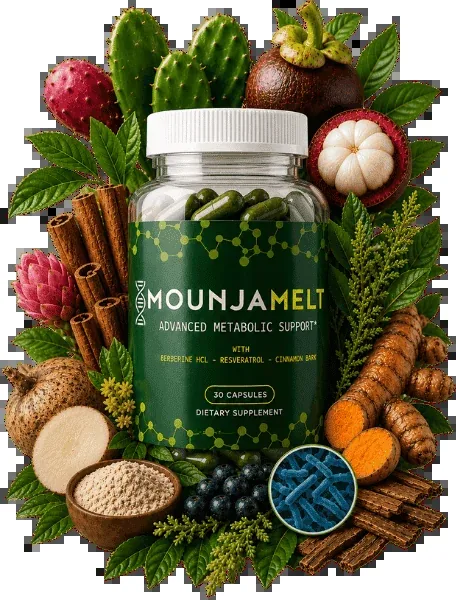
If the underlying goal is metabolic rather than digestive, it is worth being honest with yourself about which shelf you should be shopping. Formulas built for that goal are constructed differently, around ingredients such as berberine, cinnamon bark and plant polyphenols rather than amino acids; our breakdown of the MounjaMelt formula walks through what is in one of them and what the research does and does not support. Our companion piece on berberine and the natural GLP-1 claim covers the same territory from the evidence side, including where the hype outruns the data.
It is also worth saying that people searching for where to buy weight loss supplements safely often end up buying a gut product instead, because the gut aisle sounds gentler. Gentler is not the same as effective for the goal you actually have. Pick the shelf that matches the outcome you want.
A short decision path
If you want the simplest possible way through this, use these four steps rather than reading another twenty product pages.
One: decide what you are actually trying to change, in one sentence, and write it down. "Less bloating after dinner" is testable. "Better gut health" is not. Two: if the answer is digestive comfort and you want to try one of these, choose L-glutamine, because the rationale for that specific job is stronger. If your goal is skin or joints, choose collagen, where the human evidence is better. Three: buy a plain single-ingredient powder at a dose that matches the research, not a proprietary blend that hides its amounts behind a total weight. Four: give it four weeks of consistent daily use, then decide honestly whether anything changed. If not, stop buying it. A supplement you keep purchasing out of hope is a subscription, not a strategy. Deciding in advance how long to run it is the whole point of daily maintenance versus short-course use.
People hunting for the best L glutamine supplement for gut health tend to over-research the brand and under-research the dose. The dose is the part that decides whether you are running the experiment at all.
Medical note: this article is general information, not medical advice. Dietary supplements are not intended to diagnose, treat, cure or prevent any disease. Speak to a healthcare professional before starting any supplement, especially if you are pregnant, nursing, managing a health condition or taking medication.
Frequently asked questions
Can I take L-glutamine and collagen together?
Yes. They are different molecules doing different jobs, and there is no known interaction between them, so many powders combine both. Taking both does not double the benefit, though. If you are testing whether either one helps you, start with one at a time for three to four weeks so you can tell which is doing what.
How long before L-glutamine or collagen would show any effect?
Most people who notice anything notice it inside two to four weeks of consistent daily use. Digestive comfort changes are usually gradual rather than dramatic. If nothing has shifted after eight weeks of steady use at a sensible dose, that is a reasonable point to stop and look elsewhere rather than keep buying.
Is collagen a complete protein I can count toward my daily intake?
No. Collagen is very low in tryptophan and is not a complete protein, so it should not replace whey, soy, egg or a mixed diet as your main protein source. Treat a collagen scoop as an add-on with a specific purpose, not as a protein shake substitute.
Do I need a gut supplement at all if I eat well?
Often not. A varied diet with plenty of plants, adequate fibre, enough protein and reasonable sleep does more for digestion than any single powder. Supplements are worth considering when diet is already decent and a specific issue persists, and they work best as a small addition rather than the main plan.
Is L-glutamine or collagen better for gut health?
For the gut specifically, L-glutamine has the more direct research, since it is a preferred fuel of the cells lining the small intestine. Collagen is better known for skin and joint uses.
Scientific references
- Abbasi F et al. A systematic review and meta-analysis of clinical trials on the effects of glutamine supplementation on gut permeability in adults. Amino Acids, 2024
- Wang B et al. Glutamine and intestinal barrier function. Amino Acids, 2015
- NIH NIDDK — Digestive Diseases information
- Harvard T.H. Chan School of Public Health — The Microbiome
- Mayo Clinic — Dietary fiber: essential for a healthy diet
- NIH Office of Dietary Supplements — Dietary supplement fact sheets
See how MounjaMelt puts this together
Every ingredient, the honest evidence, and today's pricing on the official store.
Check Availability