Over-the-Counter Weight Loss Pills: A Buyer Guide
Quick Answer: How Should You Buy Over-the-Counter Weight Loss Pills?
Over-the-counter weight loss pills need no prescription, cost far less than GLP-1 injections, and produce modest, diet-dependent results. The safe way to shop is to demand a full label with no hidden proprietary blends, clinically used doses, and a clear return policy. MounjaMelt names all seven of its ingredients and ships direct in 2, 3 and 6-bottle packs.
- No prescription needed — but results are modest and depend on diet.
- Demand a full label — no proprietary-blend hiding of doses.
- Mind the dose — high-dose green tea extract carries a rare liver risk.
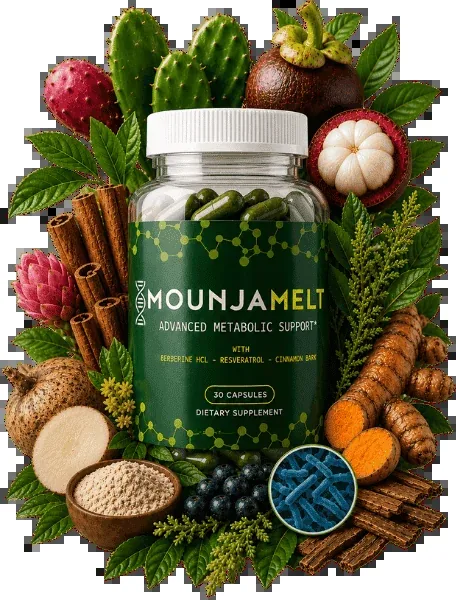
If you are weighing over-the-counter weight loss pills against a prescription, you are asking exactly the right question at exactly the right moment. The market has changed fast: GLP-1 injections rewrote what "possible" looks like, but they are expensive, gated behind a prescription, and not something everyone qualifies for or wants. That leaves a large group of people looking at the OTC shelf and wondering what is worth buying, what is safe, and how not to get fleeced. This buyer guide answers those questions plainly, then explains how MounjaMelt fits.
We should be upfront: we are an affiliate publisher and MounjaMelt is a product we cover, so treat our recommendation with appropriate caution. What we can offer is an honest map of the OTC category — the real trade-offs against prescription drugs, a safety checklist you can use on any brand, and the cost picture — so that whatever you buy, you buy it with your eyes open.
What counts as an over-the-counter weight loss pill?
The term covers two things. There is one approved OTC drug, orlistat, sold in a lower-strength version without a prescription; it blocks some dietary fat and is well known for unpleasant digestive side effects if you eat fatty meals. And then there is the vast category of dietary supplements: capsules built from fibres, botanicals and minerals that support weight management. Almost everyone searching for over-the-counter weight loss pills ends up looking at that second group, and that is the focus here.
The single most important thing to internalise is that a supplement is not a drug and does not behave like one. It supports a weight-loss effort; it does not manufacture results on its own. Any OTC product implying otherwise is over-claiming, and under advertising rules it should not be making that promise in the first place.
OTC versus prescription weight loss pills: the honest comparison
The fairest way to choose is to see the trade-off laid out rather than argued. Neither column is simply "better" — they win on different things.
| Factor | Over-the-counter pills | Prescription options |
|---|---|---|
| Access | No prescription; buy and ship direct | Doctor required; eligibility criteria |
| Potency | Modest — a supporting tailwind | High — large average weight loss (GLP-1) |
| Cost | A fraction of injectables | Often hundreds of dollars a month |
| Side effects | Generally mild at label doses | Can be significant; medically supervised |
| Best for | Everyday diet support; those not on a GLP-1 | Those who qualify and need clinical-grade results |
Read across those rows and the decision usually makes itself. If you qualify for a prescription and need clinical-grade results, that is a conversation for your doctor, and no capsule competes on potency. If you do not qualify, cannot access one, or simply want to make an honest diet a little easier without a medical appointment, a transparent OTC formula is the sensible tool. For readers specifically comparing routes, our look at choosing a natural alternative to Mounjaro and other GLP-1 drugs weighs those trade-offs in more depth. For the prescription side of the comparison, Wilding et al. Once-weekly semaglutide in adults with overweight or obesity. New England Journal of Medicine, 2021 reports what a prescription GLP-1 actually achieved.
How to shop for over-the-counter weight loss pills safely
This is the part that actually protects your wallet and your health. The OTC category is lightly regulated, which means the burden of due diligence falls on you. Run any product through this checklist before buying.
Insist on a full label. Every active ingredient should be listed with its amount in milligrams. If key ingredients are buried inside a "proprietary blend" that only shows a combined total, walk away — that is how underdosing hides. MounjaMelt names all seven of its ingredients openly rather than hiding them in a blend, but stops short of printing their milligram amounts — naming and quantifying are two different standards, and you should ask for both.
Check the doses against the studies. An ingredient with good evidence at, say, three grams is doing nothing meaningful at three hundred milligrams. The presence of a fashionable ingredient means little; the amount is everything. Dose-response analyses make this concrete; for berberine, see Xiong et al. The effect of berberine supplementation on obesity indices: a dose-response meta-analysis and systematic review of randomized controlled trials. Complementary Therapies in Clinical Practice, 2020.
Look for clean manufacturing signals. Production in a GMP-certified facility and third-party testing are reasonable minimums. They do not prove a product works, but their absence is a red flag.
Read the guarantee and the fine print. A clear return window and a price that does not secretly require a subscription are signs of a seller that expects you to be satisfied. Auto-ship traps and vague refund terms are signs of one that does not.
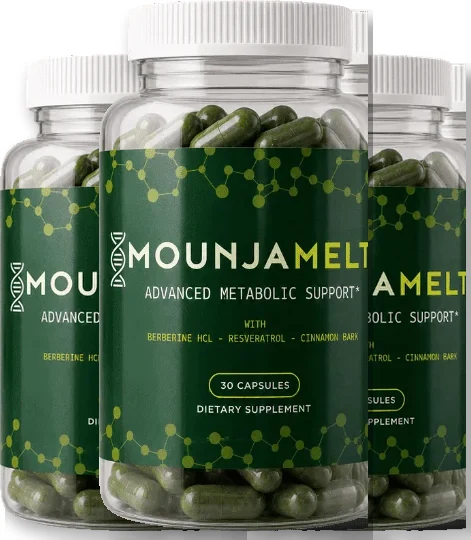
Check the full label, doses and guarantee
See MounjaMelt's seven named ingredients, the return terms, and current 2, 3 and 6-bottle pricing on the official store.
See MounjaMelt PricingThe safety notes that actually matter
"Natural" does not mean "consequence-free," and honest guidance says so. Two points deserve emphasis. First, high-dose green tea extract has been linked in rare cases to liver problems, which is precisely why dosing and formulation matter and why more is not better. Second, several common ingredients interact with medication — berberine, for instance, can lower blood sugar and interact with a number of drugs. If you take prescription medicines, are pregnant or nursing, or manage a health condition, clear any supplement with a clinician first. Our fuller rundown of weight-loss supplement side effects and how to take them safely goes through the specifics.
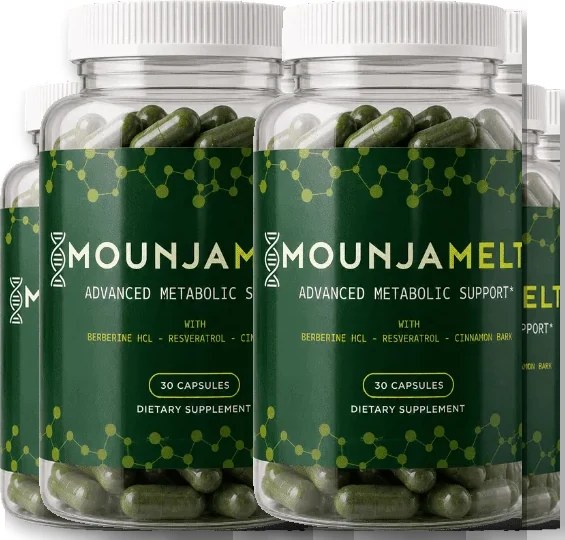
What over-the-counter weight loss pills cost, and why packs make sense
The cost gap is the OTC category's biggest advantage. Where a GLP-1 can run into hundreds of dollars a month, a supplement costs a small fraction of that. MounjaMelt is sold direct in 1, 3 and 6-bottle packs, and like most of the category, the per-bottle price falls as the pack size grows.
There is a better reason to consider a larger pack than the discount, though. These ingredients work on a timescale of eight to twelve weeks, so a single bottle rarely covers a fair trial. Buying a longer supply is less about saving a few dollars and more about giving the formula enough runway to actually show you whether it does anything — then deciding based on evidence rather than impatience. If you want the evidence-ranked view of which actives are worth paying for at all, our roundup of the best weight loss pills for 2026 ranks them by human data.
Three objections worth addressing before you buy
"If it's over the counter, it can't really do anything." Too cynical. The better OTC ingredients have genuine human evidence — glucomannan's satiety effect is even accepted by European regulators. The realistic frame is modest help, not zero help, and not a miracle. The satiety fibre with the strongest pooled record is glucomannan — Zalewski et al. The effect of glucomannan on body weight in overweight or obese children and adults: a systematic review of randomized controlled trials. Nutrition, 2015.
"Prescription is always the smarter choice." Not for everyone. If you do not qualify, cannot access one, or do not want the cost and side-effect profile, an honest OTC formula is a rational tool for supporting a diet. Different situations, different answers.
"They're all basically the same, so buy the cheapest." The opposite is true. The difference between a transparent, properly dosed formula and a proprietary-blend mystery is the whole ballgame. Cheapest-per-bottle is a bad filter; full-label-at-real-doses is a good one.
Red flags that should stop a purchase
Once you have a shortlist, a few warning signs are worth more than any five-star review. Treat each of these as a reason to close the tab. A proprietary blend that hides individual doses is the biggest one, because it is the mechanism by which underdosing is concealed. Miracle language — "melt 30 pounds in a month," "no diet needed," anything implying the product treats or cures a condition — is both a marketing lie and, under advertising rules, a claim the seller is not permitted to make. Fake urgency counters, invented "was" prices, and before-and-after photos with no context are the furniture of a pressure sell, not an honest store.
Watch the checkout as closely as the label. An advertised price that quietly requires a subscription, a pre-ticked auto-ship box, or a refund policy you cannot find before buying are all signs of a seller banking on your inertia rather than your satisfaction. A trustworthy store states its return window plainly, charges the price it advertises without an auto-renew trap, and does not need to manufacture panic to close the sale.
Who does the OTC shelf genuinely suit? People who do not qualify for or want a prescription, who are already making an honest attempt at eating a little less and moving a little more, and who want a modest, affordable tailwind for that effort. It suits people who can hold realistic expectations — help, not magic — and who are willing to run a fair eight-to-twelve-week test before deciding. If that describes you, a transparent formula with a full label is a reasonable buy. If you are looking for a pill to do the whole job while nothing else changes, no over-the-counter product, and frankly no prescription one either, is going to satisfy you.
Related reading
Medical note: this article is general information, not medical advice. Dietary supplements are not intended to diagnose, treat, cure or prevent any disease. Speak to a healthcare professional before starting any supplement, especially if you are pregnant, nursing, managing a health condition or taking prescription medication.
Frequently asked questions
Do you need a prescription for weight loss pills?
Not for supplements. Over-the-counter weight loss pills, including natural formulas like MounjaMelt, need no prescription and ship directly to you. Prescription options such as GLP-1 injections and some approved drugs do require a doctor. The trade-off is potency for access: OTC pills are milder, cheaper and easier to get.
Are over-the-counter weight loss pills safe?
Generally yes, for healthy adults, when you buy a transparent product at label doses. The cautions are real though: high-dose green tea extract has been linked in rare cases to liver issues, and some ingredients interact with medication. Choose a full-label formula, follow the dose, and check with a clinician if you take other drugs.
OTC vs prescription weight loss pills: which is better?
Prescription pills are far more potent; nothing over the counter matches a GLP-1 for raw weight loss. But OTC pills win on cost, access and side-effect mildness, and suit people who do not qualify for or want a prescription. The better choice depends on your situation, not on which is stronger.
How much do over-the-counter weight loss pills cost?
Far less than prescription options. Over-the-counter weight loss pills typically cost a fraction of GLP-1 injections, which can run into hundreds of dollars a month. MounjaMelt ships direct in 1, 3 and 6-bottle packs, with the per-bottle price dropping on the larger bundles. Always check the current price on the official store.
Scientific references
- NIH Office of Dietary Supplements — Dietary Supplements for Weight Loss
- NIH NCCIH — Green Tea: What You Need To Know (liver safety)
- FDA — Questions and Answers on Dietary Supplements
- EFSA — Scientific Opinion on glucomannan and reduction of body weight
- FTC — Health Products Compliance Guidance (weight-loss claims)
Shopping the OTC shelf? Start with a full label
See MounjaMelt's five disclosed actives, the guarantee, and today's 1, 3 and 6-bottle pricing on the official store.
Check MounjaMelt Availability